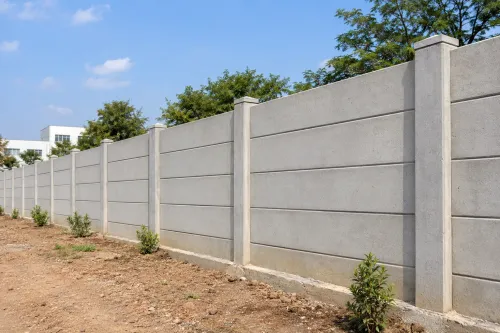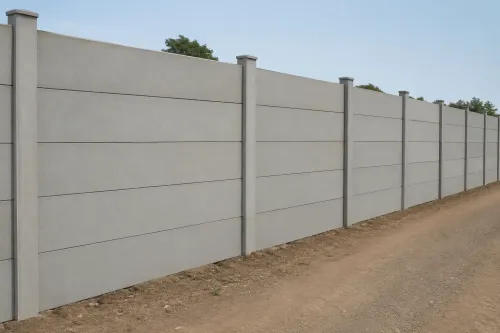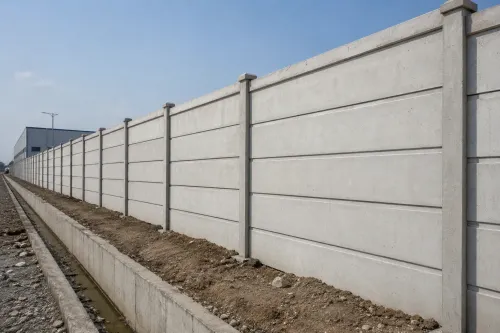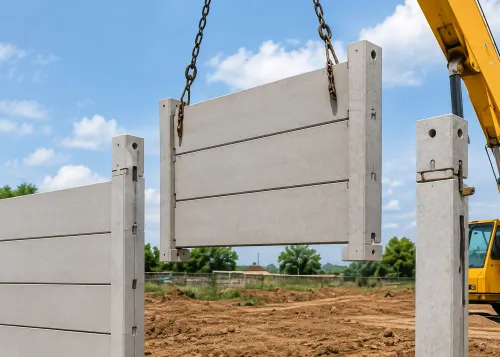


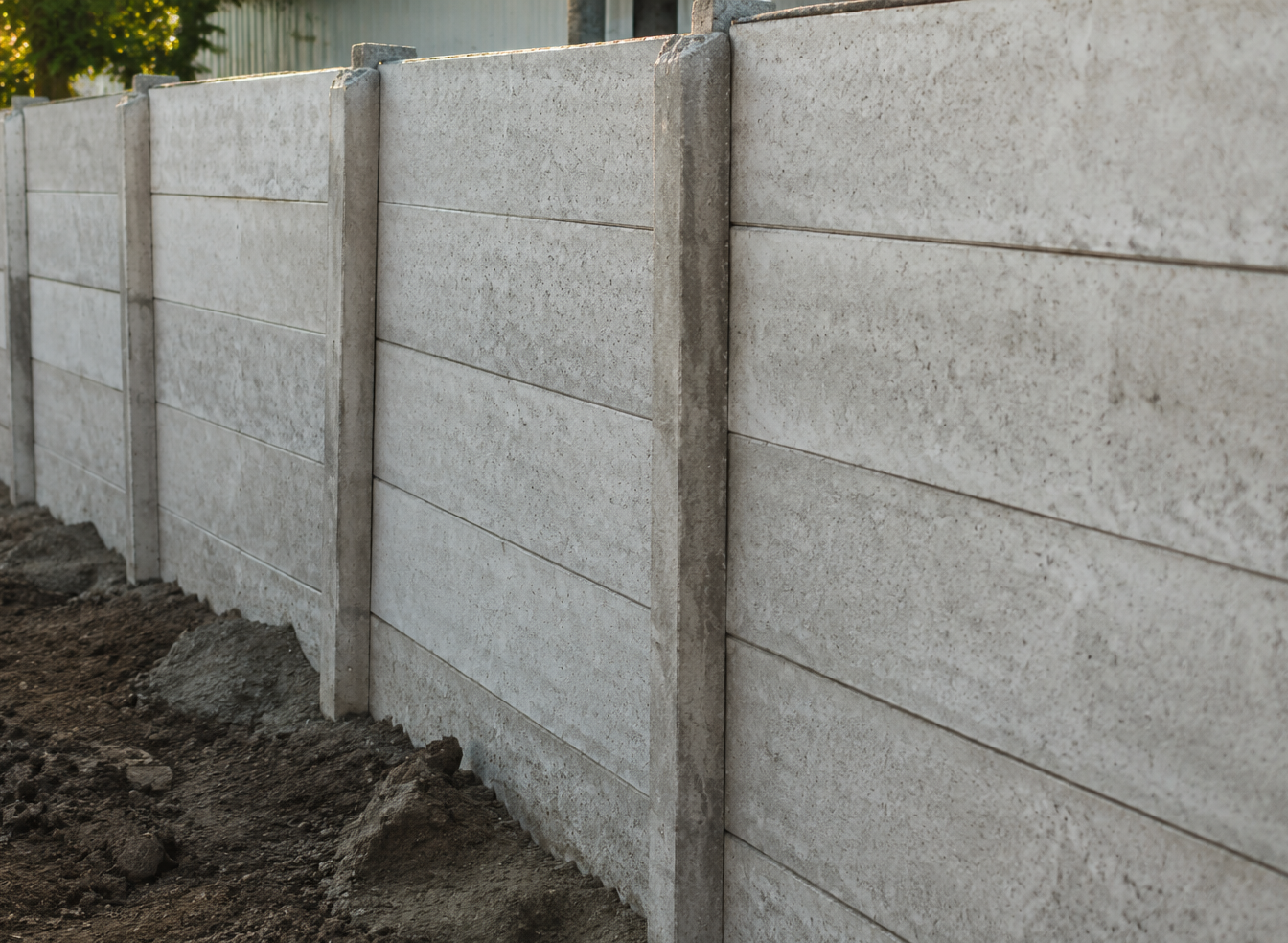
A concrete compound wall is designed to provide a durable boundary, but its performance depends heavily on manufacturing quality, site preparation and installation. Cracks, leaning posts, displaced panels and water-related foundation problems are rarely caused by one factor alone.
Understanding common issues before installation helps property owners make better decisions. Silicon Precast manufactures concrete boundary wall components for residential, agricultural, industrial and commercial applications in Nashik, with configurations selected according to site and height requirements.
Cracks in Precast Panels
Fine surface marks and structural cracks are not the same. Minor surface variations may occur without affecting the panel’s function, while deeper or widening cracks can indicate handling damage, inadequate reinforcement, impact or excessive loading.
Cracking can be reduced by:
- Using properly manufactured and cured panels
- Supporting panels correctly during transport
- Avoiding uncontrolled lifting or dropping
- Installing panels within their intended post spacing
- Preventing heavy equipment from striking the wall
- Inspecting components before assembly
A damaged panel should be evaluated before installation rather than hidden within the completed boundary.
Leaning or Misaligned Posts
Posts may move when the foundations are inadequate for the soil, the excavation is insufficient or the alignment is not checked during installation. Water accumulation and erosion can worsen the problem over time.
Accurate marking, correct foundation preparation and adequate curing around installed supports help maintain alignment. Long boundaries should be checked periodically during construction because a small deviation can become more visible across the full wall length.
Panel Movement Between Supports
Panels must fit properly within the supporting post grooves. Incorrect dimensions, excessive gaps or poor seating may allow movement. Ground settlement can also change the position of the components.
Installers should avoid forcing mismatched panels into place. The post-and-panel system should be compatible, and the base should provide appropriate support as required by the selected design.
Water Accumulation Around the Wall
Drainage is one of the most overlooked causes of boundary wall deterioration. During Nashik’s monsoon, water may collect near foundations if natural runoff routes are blocked. Continuous saturation can weaken surrounding soil or cause erosion.
Preventing Monsoon-Related Issues in Nashik
Before installing a concrete compound wall, observe how water moves across the plot. Low-lying sections, roadside drains and neighbouring ground levels can affect the boundary.
Useful preventive measures include:
- Maintaining existing drainage paths
- Directing roof and surface runoff away from foundations
- Avoiding uncontrolled excavation near posts
- Providing suitable drainage openings where required
- Compacting backfilled soil properly
- Inspecting the perimeter after heavy rainfall
Drainage openings must be planned carefully so they do not compromise privacy, security or structural stability.
Damage Caused by Nearby Activity
Industrial properties often have trucks, forklifts, excavators or stored materials close to the boundary. Repeated impact or soil excavation near the posts can damage an otherwise well-installed wall.
A clear internal setback can reduce accidental contact. If vehicles operate close to the perimeter, protective barriers may be needed in vulnerable areas.
A Useful Inspection Routine
Concrete boundaries should be inspected periodically, particularly after storms, nearby excavation or accidental impact. Check for:
- New or expanding cracks
- Leaning posts
- Loose or displaced panels
- Exposed reinforcement
- Soil erosion near foundations
- Blocked drainage routes
- Gate movement affecting adjacent supports
Many compound wall problems can be prevented through correct specifications and timely attention. A dependable concrete wall begins with suitable components, but its long-term condition also relies on proper handling, foundations, drainage and responsible use of the surrounding area.