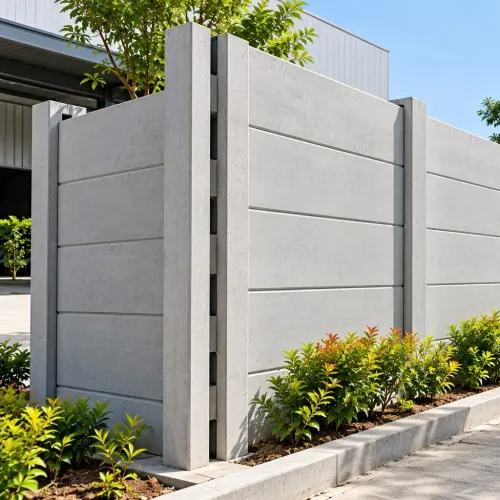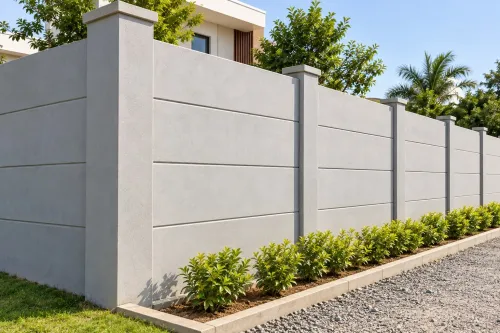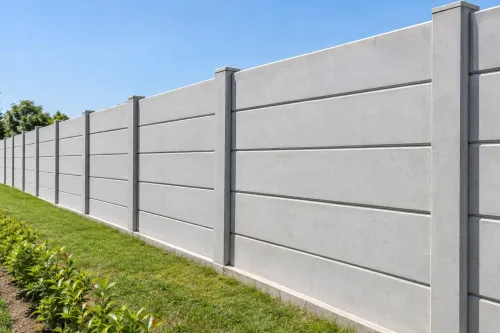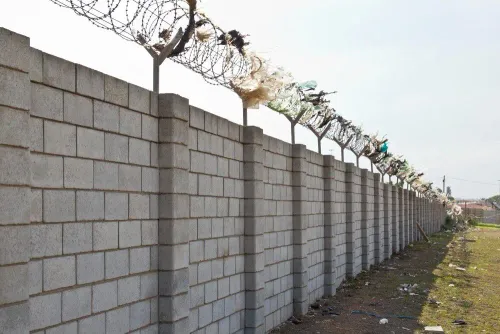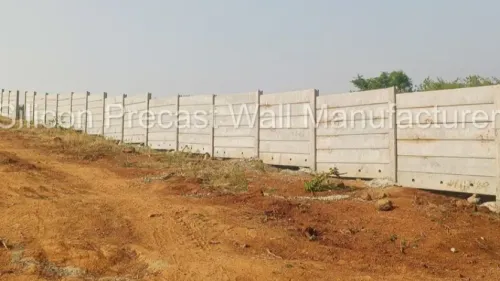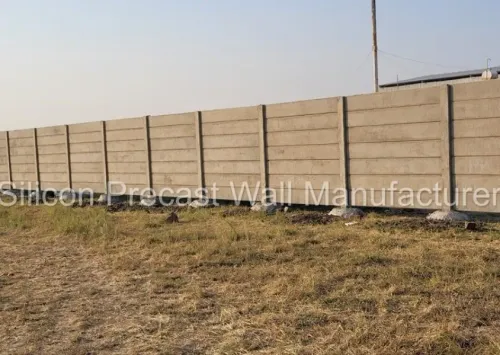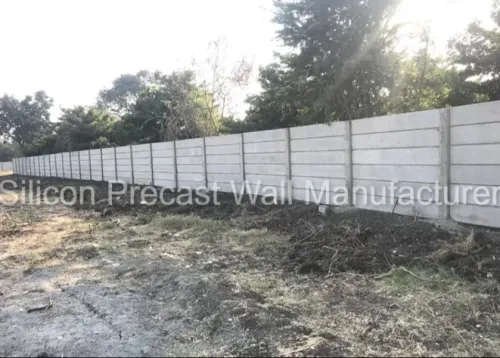
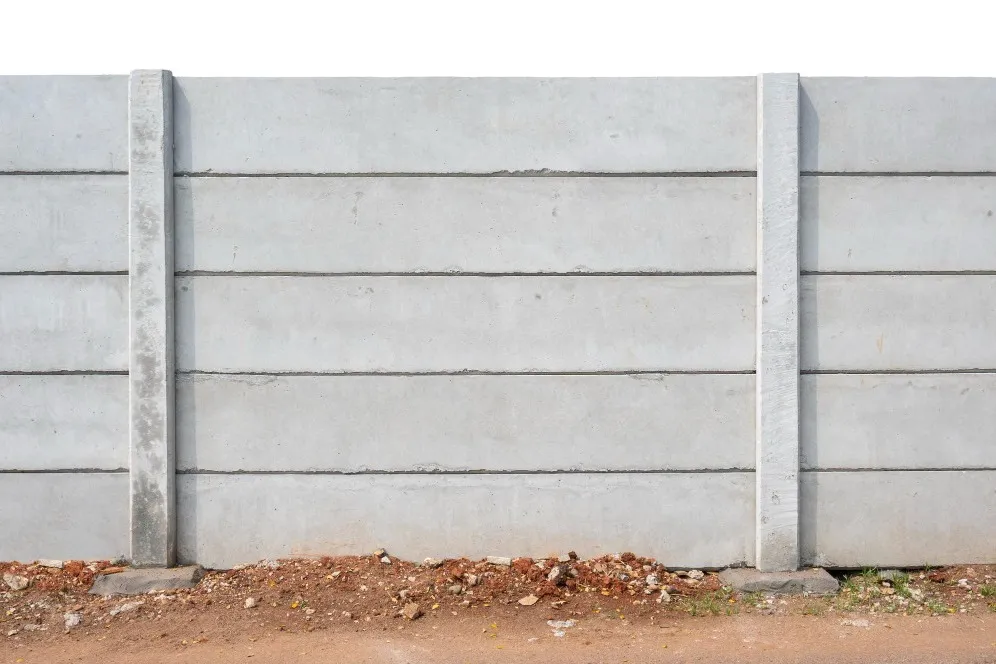
Buying a Concrete Compound Wall for a large project is different from purchasing a small quantity of building material. Boundary length may extend across hundreds or thousands of metres, meaning small specification or planning errors can become significant during installation.
Infrastructure developers and contractors in Ahilyanagar, Maharashtra, should therefore approach procurement as a coordinated civil package rather than selecting panels solely from a catalogue.
Begin With Accurate Measurements
The first requirement is the total running length of the proposed boundary.
Measurements should identify straight sections, corners, changes in direction, gate openings, level differences, and locations where existing structures affect the alignment.
Where drawings are available, they should be reviewed against actual site conditions.
Define the Required Wall Height
Wall height affects privacy, material quantities, structural configuration, and installation requirements.
Do not select a height simply because it is common in another project. Establish what the boundary needs to accomplish and assess the conditions in which it will be installed.
Ask for Technical Product Information
Procurement teams should understand what they are buying.
Depending on the system, relevant details may include:
- Panel dimensions
- Panel thickness
- Concrete specification
- Reinforcement details where applicable
- Post dimensions
- Connection or assembly method
- Foundation requirements
- Surface finish
- Installation methodology
Specifications should be appropriate for the proposed application.
Clarify What the Quotation Includes
A quotation that appears inexpensive may exclude important costs.
Ask whether pricing includes transportation, unloading, installation, excavation, foundations, equipment, taxes, or other associated requirements. Identifying exclusions early makes commercial comparisons much clearer.
For a large project, transportation distance and site accessibility can materially affect execution planning.
Evaluate Manufacturing Capability
Project volume matters.
A supplier should be evaluated not only on sample quality but also on the ability to manufacture and deliver the required quantity according to the project programme.
Discuss expected production schedules, phased delivery requirements, storage arrangements, and site readiness.
Plan Inspection Before Bulk Installation
Where appropriate, project teams can establish inspection and acceptance procedures before large-scale installation begins.
Checking initial components and installation alignment can help identify misunderstandings early rather than after a substantial section has been completed.
Coordinate With Other Contractors
Boundary installation may overlap with drainage, roads, utilities, earthwork, and landscaping.
A clear execution sequence helps prevent completed wall sections from obstructing other civil activities or being damaged by later work.
Silicon Precast Wall Manufacturer works in precast concrete products and infrastructure solutions for project-based applications. Buyers can make supplier discussions more efficient by sharing drawings, total length, required height, location details, and expected project schedule at the enquiry stage.
A Concrete Compound Wall can be a significant part of infrastructure development. Treating it as an engineered and coordinated procurement package helps project teams assess quality, logistics, installation, and overall value instead of making a decision based on unit price alone.
Keywords