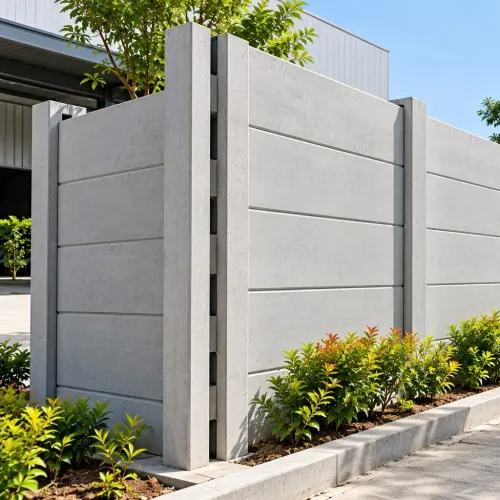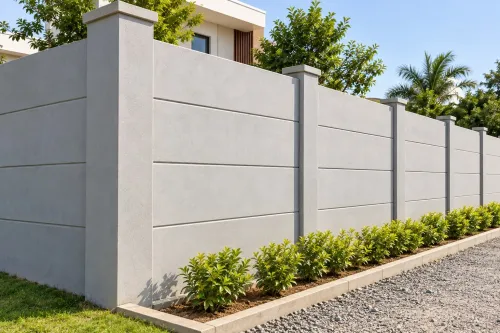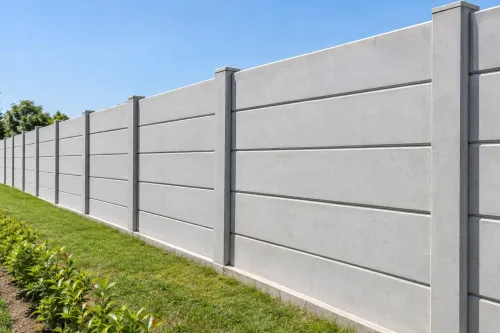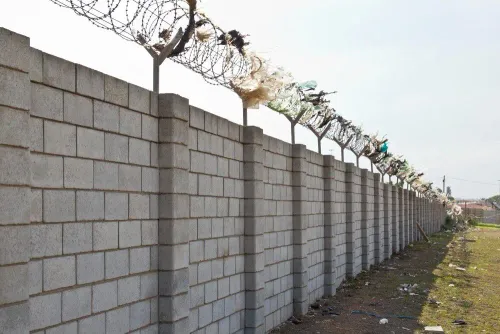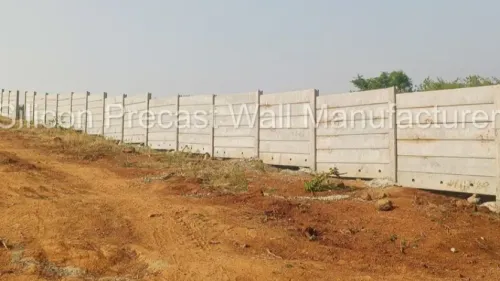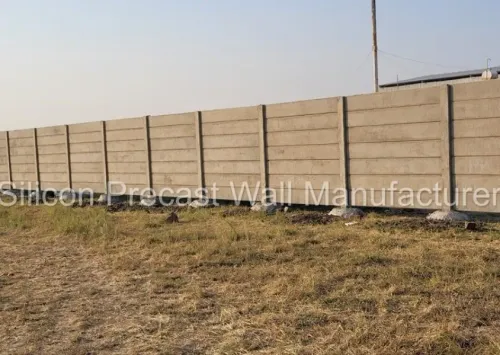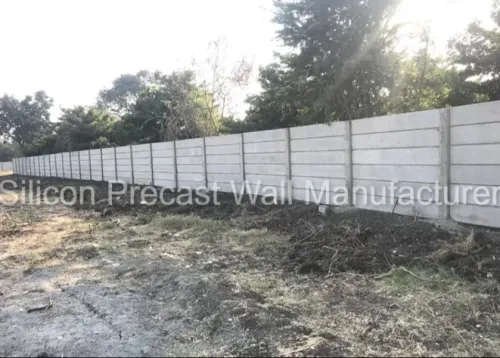
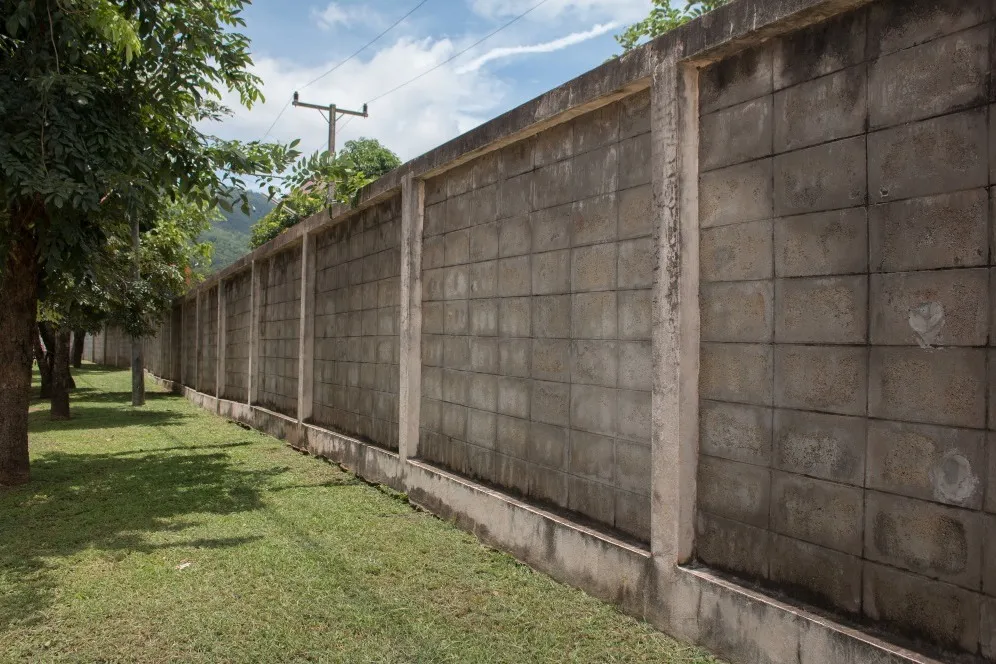
Selecting a Boundary Wall supplier can affect far more than the appearance of a project's perimeter. Manufacturing consistency, technical clarity, delivery planning, installation capability, and communication all influence whether boundary work progresses smoothly.
For civil contractors managing industrial, infrastructure, and real estate projects in Nashik, Maharashtra, supplier evaluation should begin before issuing a final purchase order.
Check Whether the Supplier Understands the Application
A capable supplier should ask what the wall is intended to do.
The requirements for a warehouse, industrial plant, construction site, residential development, or infrastructure facility may differ. A supplier that recommends the same configuration without understanding the application may not be considering important site variables.
Review Product Specifications
Request clear technical information for the proposed system.
Important details can include panel dimensions, thickness, concrete specification, reinforcement where relevant, post configuration, height options, and installation requirements.
Specifications should be sufficiently clear for the contractor or consultant to review.
Discuss Manufacturing Capacity
Large projects can require substantial quantities of precast components.
Ask how production will be scheduled and whether deliveries can be phased according to installation progress. Manufacturing capability becomes particularly important where project timelines are tight.
Assess Logistics Before Ordering
Nashik serves industrial and infrastructure developments across a broad regional area. Transportation and site access therefore need attention.
Contractors should clarify:
- Delivery vehicle requirements
- Unloading responsibility
- Site storage requirements
- Delivery sequencing
- Access limitations
- Handling equipment
- Transport scope
These questions can prevent confusion when the first consignment arrives.
Confirm Installation Responsibilities
Some projects procure materials and manage installation independently, while others may require broader installation support.
The commercial scope should clearly identify who handles excavation, foundations, alignment, lifting, installation, finishing, and associated site activities.
Ambiguous responsibility can create delays and disputes.
Look for Practical Communication
Supplier responsiveness matters during project execution.
Drawings may change, quantities may be revised, or site readiness may shift. Contractors benefit from working with a provider that can communicate production and delivery implications clearly.
Compare Value Rather Than Rate Alone
A lower unit rate can become less attractive if transportation, handling, installation, or necessary components are excluded.
Compare suppliers using equivalent scope, technical specification, manufacturing capability, delivery terms, and expected service requirements.
Silicon Precast Wall Manufacturer operates in the precast concrete and infrastructure solutions sector and can be evaluated against these same practical criteria. Project teams should provide complete requirements so that proposed solutions can be assessed on a comparable basis.
Choosing a Boundary Wall supplier is ultimately a project-management decision as much as a purchasing decision. Technical suitability, predictable supply, clear scope, and coordinated installation can be more valuable to a contractor than a small difference in the initial quoted rate.